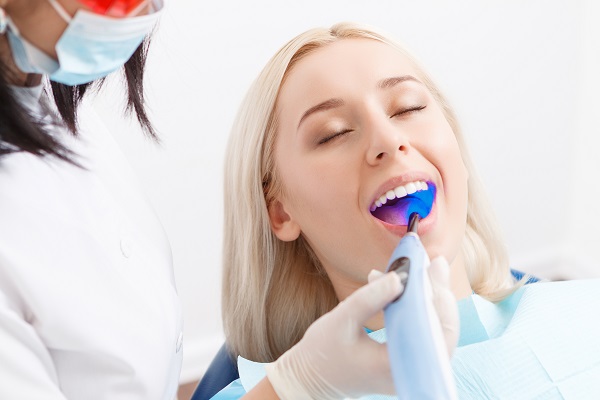
Dental bonding is a versatile and minimally invasive cosmetic procedure that can address various dental imperfections. This procedure, involving the application of a tooth-colored resin to restore or enhance teeth, offers patients a simple and cost-effective solution for achieving a brighter, more uniform smile. Dental bonding is ideal for repairing minor dental flaws without extensive procedures. It is important to learn the benefits, uses, and processes of dental bonding to determine whether it may be an ideal solution for your smile.
What is dental bonding?
Dental bonding is a cosmetic procedure in which a dentist applies tooth-colored composite resin to the teeth. This resin is molded, shaped, and then hardened to improve the tooth's appearance. Dental bonding can enhance a tooth's shape, color, and size, making it an excellent choice for minor cosmetic improvements and repairs. Unlike other cosmetic options, such as veneers or crowns, dental bonding is a relatively quick and painless procedure that can often be completed in a single visit.
Common reasons for dental bonding
Dental bonding can address a variety of dental issues, making it one of the most versatile cosmetic options available. Some of the most common reasons patients consider dental bonding include:
- Repairing Chipped or Cracked Teeth: Minor chips or cracks can disrupt a tooth's appearance and functionality. Dental bonding provides an effective solution to cover and strengthen these areas, restoring a tooth’s natural look and durability.
- Improving Discolored Teeth: Dental bonding can improve stained or discolored teeth. The composite resin can be color-matched to the surrounding teeth, effectively masking discoloration and creating a uniform appearance.
- Closing Gaps Between Teeth: Gaps or spaces between teeth, especially in the front, can detract from a balanced smile. Dental bonding can fill these gaps, creating a more even alignment without the need for orthodontics.
- Lengthening Short Teeth: Some individuals have teeth that are naturally shorter or have been worn down over time. Dental bonding can add length to these teeth, helping create a proportional and aesthetically pleasing smile.
- Altering the Shape of Teeth: Dental bonding can reshape uneven, irregularly shaped, or jagged teeth. By adding resin to specific areas, a dentist can create a smoother, more symmetrical appearance.
Benefits of dental bonding
Dental bonding offers several advantages over other cosmetic and restorative procedures. For many patients, these benefits make it an attractive option for improving their smile. The key benefits include:
- Affordability: Dental bonding is generally more affordable than cosmetic treatments such as veneers or crowns. Bonding is an excellent choice for individuals on a budget or those looking for minor aesthetic enhancements.
- Minimally Invasive: Unlike veneers, which require removing a portion of enamel, dental bonding typically involves minimal or no enamel removal. This means that bonding is less invasive and preserves more of the natural tooth structure.
- Quick and Convenient: Dental bonding is often completed in a single appointment, depending on the extent of the work. For patients with busy schedules, bonding provides a time-efficient solution for cosmetic improvements.
- Natural-Looking Results: Composite resin is available in various shades, allowing dentists to precisely match the color of the bonding material to your natural teeth. This ensures a seamless, natural appearance that blends in with surrounding teeth.
The dental bonding process
The dental bonding procedure is straightforward and typically completed in just one visit. Here is what patients can expect during the process:
Step 1: Preparation
Dental bonding usually requires little to no preparation. Anesthesia is often unnecessary unless the bonding intends to fill a decayed tooth. The dentist will select a shade of composite resin that matches your teeth, ensuring a natural appearance.
Step 2: Application
The dentist will roughen the tooth's surface to help the bonding material adhere. A conditioning liquid will then be applied to further facilitate bonding.
Step 3: Resin Application
The dentist applies the composite resin, molding and shaping it to achieve the desired look. The resin is applied in layers, allowing for optimal shaping and coverage.
Step 4: Curing and Finishing
Once the resin is shaped, a special light hardens the material. After the bonding material has set, the dentist trims, shapes, and polishes it to match the surrounding teeth.
Try dental bonding today
Dental bonding offers a simple yet effective solution for repairing and enhancing your smile. From fixing minor chips to filling gaps and improving discoloration, this procedure provides a quick and affordable option for those seeking a brighter, more attractive smile. If you are considering dental bonding, consult a dentist to determine if this treatment meets your aesthetic and functional goals. With proper care, dental bonding can help you enjoy a confident smile for years to come. For more information, schedule a consultation visit today at Carolina Smiles Family Dental.
To schedule a consultation, request an appointment on our website at https://www.carolinasmilesdentist.com or call Carolina Smiles Family Dental at (828) 884-3702 for an appointment in our Brevard office.
Check out what others are saying about our dental services on Yelp: Dental Bonding in Brevard, NC.
Recent Posts
Dental bonding is one of the most common and popular cosmetic and restoration procedures, and for good reason. It is one of the most versatile tools for restoring and improving the appearance of teeth. Chances are, if you have a cosmetic concert, your dentist can help fix it with dental bonding. Here is a closer…
Dental bonding is one of the simplest and most popular dental procedures. Dental bonding has many applications when it comes to improving the way a smile looks. If you are unfamiliar with the procedure, here are three major ways it can enhance your smile’s appearance.Dental bonding involves adding a tooth-colored material known as a composite…
Dental bonding uses composite resin materials to correct cosmetic imperfections in your smile. Whether you have a chip or want to close a gap, this service can help restore a complete, well-functioning smile. With proper care, dental bonding can last up to ten or as little as three years. Consider these tips to help you…
Chipping needs dental bonding so that the tooth can regain its proper structure. Trauma and decay are the most common causes of dental chipping. Both cause the tooth to weaken and break easily. Your dentist must use this treatment to correct the damage right away. Here are the details on using dental bonding to repair…